• Contact
  • 888-54-FIRST
  • Client Login
    • Client Portal
    • Online Store
Search
First Healthcare Compliance
  • Solutions
    • Compliance Management Software
    • Online Compliance Courses
    • Compliance Management Suite
  • Plans
  • Resources
    • Blog
    • Virtual Education Hub
    • 1st Talk Compliance Podcast
    • Connect Magazine
    • Compliance Posters
    • Healthcare Compliance Books
    • Newsletter Signup
  • News & Events
    • Press Releases
  • Our Team
  • Request Demo
  • Menu Menu
  • Shopping Cart Shopping Cart
    0Shopping Cart

Blog

Zika

Get the Facts on Zika

August 31, 2016/in Blog, General Compliance

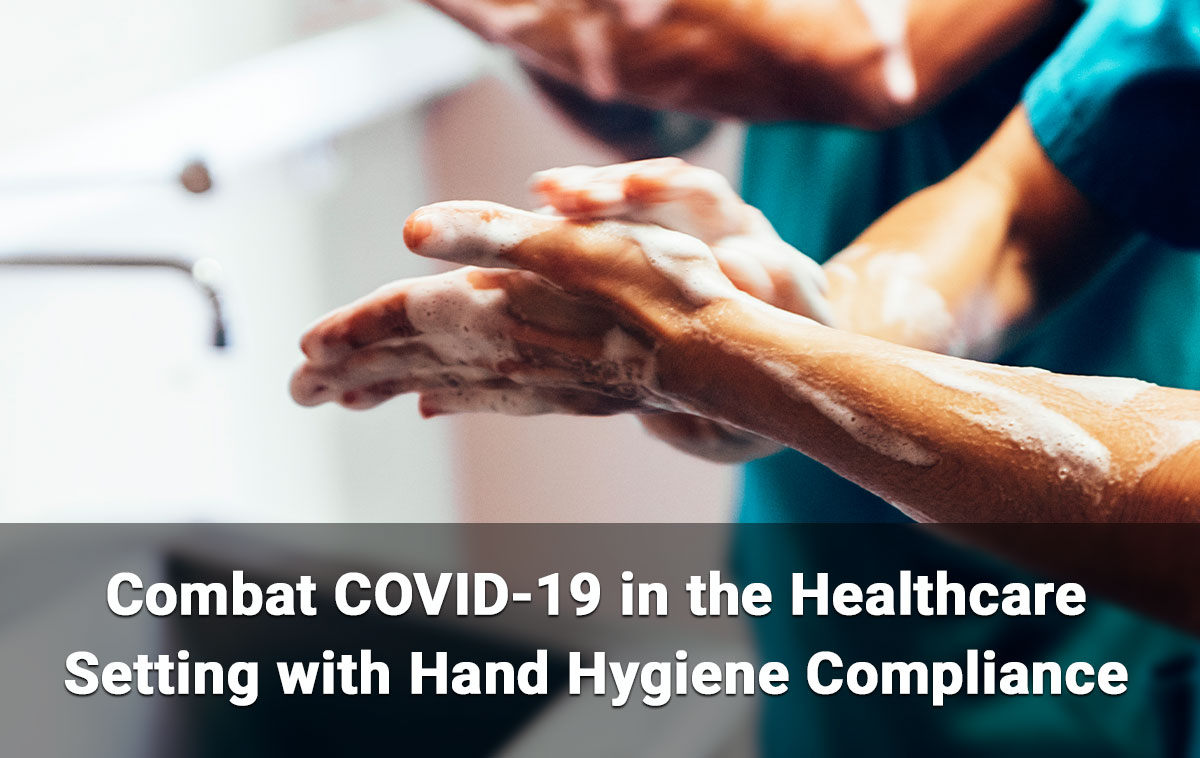
The World Health Organization (WHO) has issued a Zika Strategic Response Plan to address the Zika virus outbreak. WHO has declared Zika a public health emergency of international concern and according to the CDC, Zika is a nationally notifiable condition.  Zika’s long term effects, such as associated birth defects, could become a potentially challenging global issue. Therefore, healthcare providers should report suspected Zika virus disease to the health department(s) who will then confirm laboratory results and report probable cases to the CDC.

In order to prevent the further spread of the virus, healthcare providers must provide their patients with the most current information. Recently, the CDC published an infographic on the “Top 5 Things Everyone Needs to Know About Zika” which could be easily posted in patient areas.

Here are more specific details on the CDC’s Top 5:

1. Transmission

Transmission to individuals is generally by mosquito bite. The mosquitoes are infected by biting individuals who have the virus and subsequently biting non-infected individuals, transmitting the virus. A pregnant woman can pass the virus on to the fetus during pregnancy, however there are no reported cases of passage of Zika virus through breast feeding. Zika can also be transmitted sexually. Investigation remains in progress to evaluate possible transmission via blood transfusion. Only one reported case of laboratory-acquired Zika has been documented in the US and the route of transmission is unknown.

2. Prevention

No vaccine is available for Zika.

The CDC recommends using an EPA-registered insect repellent that contains DEET, Picaridin (KBR 3023), Bayrepel, icaridin, Oil of lemon eucalyptus (OLE), para-menthane-diol (PMD) or IR3535. The OLE and PMD products should not be used with children under 3 years of age and no repellent should be applied to babies under 2 months of age.

Mosquito exposure to the skin can be controlled with appropriate clothing as well as treating clothing and gear with Permethrin. If air conditioning is not available, window screens and/or mosquito netting should be used. Empty containers with stagnant water, as this could be a breeding ground for mosquitoes.

Unlike typical mosquitoes, those that spread Zika, Chikungunya and Dengue are unusually aggressive and tend to be daytime biters. The incubation period is 3-14 days and viremia ranges from days to 1 week. Most of the infected individuals will have no symptoms or very mild symptoms, likely unaware that they are even infected. Symptoms generally clear within a week and don’t usually cause an ER visit or hospital admission.

Zika Symptoms

Source: CDC

3. Birth Defects

Zika virus during pregnancy is a different story. Research continues but Zika is considered a cause of birth defects specifically microcephaly, eye defects, hearing loss and impaired growth. A woman who is not pregnant at the time of Zika infection will clear the virus, likely benefiting from immunity to possible re-infection. Fortunately, there is no evidence to suggest any risk to future pregnancy.

In addition to the risk to pregnant women, there are a small number of infected individuals who have developed muscle weakness and paralysis.  Only a few of have suffered permanent damage; the CDC believes there is a strong association between Zika and Guillain-Barre’ syndrome.  

4. Pregnant Women Should Not Travel to Areas with Zika

As of Aug 24, 2016, Florida remains the only U.S. state with locally acquired infection; 29 identified cases thus far.  However, there are 8,000 locally acquired cases reported in the U.S. territories; American Samoa, Puerto Rico and Virgin Islands. Travel-associated cases are now up to 2,246 which have been reported in every state, most numerous in New York, Florida, California and Texas. Travel notices have been posted as “Alert Level 2, Practice Enhanced Precautions” to areas in Central and South America, Caribbean, Mexico, the Pacific Islands and Cape Verde which have reported local mosquito transmission to people.

5. Returning Travelers Infected with with Zika Can Spread the Virus Through Mosquito Bites

A blood or urine test should be performed to confirm Zika and diagnosis depends on the result, symptoms and travel history. CDC recommends Zika virus testing for people who may have been have exposed to Zika through sex and have symptoms. Any pregnant woman with possible exposure to Zika via sex should be tested. This possible exposure includes a partner who has traveled to or lives in an area with Zika.

Researchers and epidemiologists continue to better understand the Zika virus.  As of the end of July 2016, the CDC produced this summary of their findings.
 

Tags: cdc, WHO, world health organization, zika, zika virus
Share this
  • Share on Facebook
  • Share on X
  • Share on LinkedIn
  • Share on Reddit
  • Share by Mail
https://1sthcc.com/wp-content/uploads/2016/09/Zika.jpg 500 800 First Healthcare Compliance Staff https://1sthcc.com/wp-content/uploads/2022/10/1sthcc-logo-1024x378.jpg First Healthcare Compliance Staff2016-08-31 14:40:002025-04-15 12:55:29Get the Facts on Zika
You might also like
OSHA Recordkeeping Compliance for COVID-19 in the Workplace
Opioid A Checklist for Opioid Prescribers
Combat COVID-19 in the Healthcare Setting with Hand Hygiene Compliance Combat COVID-19 in the Healthcare Setting with Hand Hygiene Compliance
Resources for Healthcare Professionals during the COVID-19 Crisis
How to Prevent Noncompliance with Hand Hygiene

Subscribe to Weekly eNewsletter

Get the latest healthcare compliance updates straight to your inbox.

Subscribe to Newsletter

Recent Posts

  • The OIG Exclusions List: First Line of Employment Defense
  • Navigating the HIPAA Security Landscape: A Comprehensive Guide to Security Risk Assessments
  • OSHA Recordkeeping in Healthcare: Answers to Frequently Asked Questions
  • Naughty or Nice? The Rules of Giving and Receiving in Healthcare
  • fraud waste abuse healthcare compliance
    FWA in Healthcare: How to Respond Appropriately to Detected Offenses
  • Infographic: 6 Areas of Potential Liability for Healthcare Providers
    6 Areas of Potential Liability for Healthcare Providers


First Healthcare Compliance is a division of Panacea Healthcare Solutions. Learn more

Subscribe

Get the latest healthcare compliance updates straight to your inbox.

Subscribe to Newsletter

Connect

Get started: Request Demo

Call: 1-888-54-FIRST

E-mail: Contact us

  • Link to Instagram
  • Link to Youtube
  • Link to Facebook
  • Link to LinkedIn
  • Link to X
© Copyright 2026 Panacea Healthcare Solutions, LLC | Disclaimer | Privacy Policy and Copyright Notice
Scroll to top Scroll to top Scroll to top

We and our third-party partners use cookies to improve and personalize your experience on the site and with our services in addition to delivering and reporting on ads. Please visit our Privacy Statement for more information. By continuing to browse the site, you are agreeing to our use of cookies. Read Privacy Statement.

OKDismiss

Cookie and Privacy Settings


How we use cookies

We may request cookies to be set on your device. We use cookies to let us know when you visit our websites, how you interact with us, to enrich your user experience, and to customize your relationship with our website.

Click on the different category headings to find out more. You can also change some of your preferences. Note that blocking some types of cookies may impact your experience on our websites and the services we are able to offer.

Essential Website Cookies

These cookies are strictly necessary to provide you with services available through our website and to use some of its features.

Because these cookies are strictly necessary to deliver the website, refusing them will have impact how our site functions. You always can block or delete cookies by changing your browser settings and force blocking all cookies on this website. But this will always prompt you to accept/refuse cookies when revisiting our site.

We fully respect if you want to refuse cookies but to avoid asking you again and again kindly allow us to store a cookie for that. You are free to opt out any time or opt in for other cookies to get a better experience. If you refuse cookies we will remove all set cookies in our domain.

We provide you with a list of stored cookies on your computer in our domain so you can check what we stored. Due to security reasons we are not able to show or modify cookies from other domains. You can check these in your browser security settings.

Other external services

We also use different external services like Google Webfonts, Google Maps, and external Video providers. Since these providers may collect personal data like your IP address we allow you to block them here. Please be aware that this might heavily reduce the functionality and appearance of our site. Changes will take effect once you reload the page.

Google Webfont Settings:

Google Map Settings:

Google reCaptcha Settings:

Vimeo and Youtube video embeds:

Privacy Policy

You can read about our cookies and privacy settings in detail on our Privacy Policy Page.

Privacy Policy and Copyright Notice
Accept settingsHide notification only